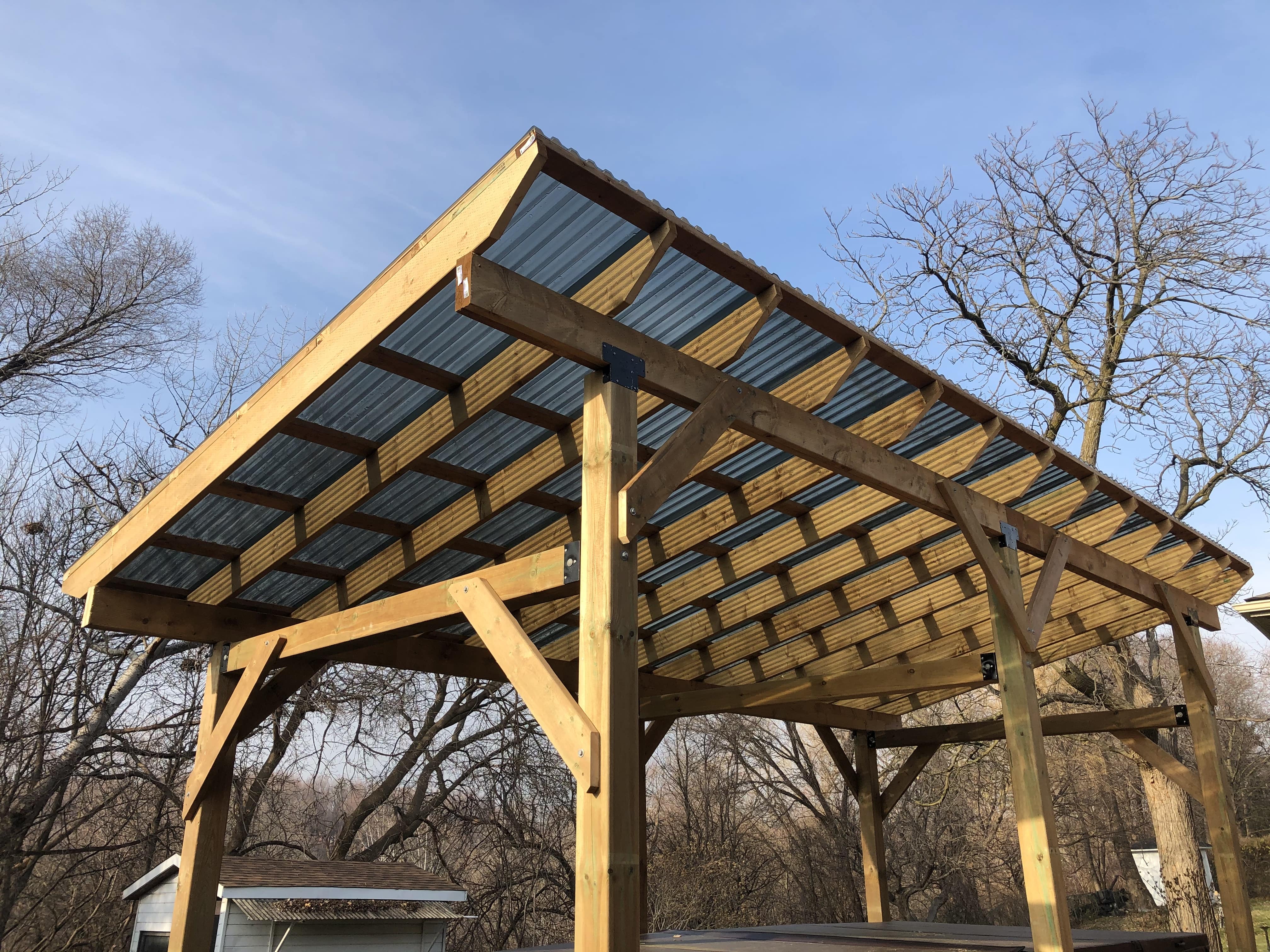
If you have started pricing a pergola for your backyard, you have probably noticed the quotes are all over the map. A neighbour spent $6,000; a colleague spent $35,000. Both bought a "pergola." The difference comes down to material, size, engineering, and how many features you add. At Deck Master Inc., we have designed and built outdoor structures across Toronto and the GTA since 2004, and this guide lays out honest 2026 installed pricing so you can budget with confidence before you ever pick up the phone.
Pergola cost in Toronto and the GTA: 2026 pricing at a glance
The numbers below reflect fully installed projects in the GTA in 2026 — design, permits where required, engineered footings, materials, and labour — not bare material kits from a big-box store. A typical residential pergola runs roughly 10 by 12 feet up to about 14 by 20 feet, and price scales with square footage, span, and finish level.
| Pergola type | 2026 GTA installed cost | Notes |
|---|---|---|
| Pressure-treated wood | $5,000 – $10,000 | Budget-friendly and structurally sound; needs staining every two to three years and will check and grey over time. |
| Cedar | $8,000 – $18,000 | Warm, natural look with better rot and insect resistance; still requires periodic sealing to hold its colour. |
| Standard aluminum | $10,000 – $20,000 | Powder-coated, virtually maintenance-free, and won't warp or rot; fixed roof provides shade but not full rain cover. |
| Louvered aluminum | $15,000 – $30,000 | Adjustable roof blades let you dial in sun, shade, or rain protection by hand or crank. |
| Motorized louvered | $20,000 – $40,000+ | App or remote-controlled roof, often with rain sensors, integrated LED lighting, and screens; the premium end of the market. |
Prices climb quickly once you move past a simple square footprint. Larger spans, attached designs, and electronics are where the biggest jumps happen. For a deeper look at the two main material families, our aluminum vs. wood pergola comparison breaks down the trade-offs side by side.
What actually drives pergola cost
Size and span
Square footage is the single biggest cost lever. Doubling the footprint roughly doubles material and labour, but long unsupported spans cost more per square foot because they demand heavier beams and posts to stay rigid. A wide opening with no centre post — great for entertaining — is an engineering ask, not a free upgrade.
Material and finish
Pressure-treated lumber is the value choice; cedar is the mid-tier for homeowners who want natural wood without constant upkeep; aluminum is the long-game investment that shrugs off GTA winters. The Canadian Wood Council is a solid resource on wood species and durability, and manufacturers like TimberTech show how low-maintenance composite and aluminum systems have matured.
Attached versus freestanding
How the structure is anchored changes both the price and the permit picture, which we cover in detail below.
Footings and snow-load engineering
This is where GTA projects differ from what you see in warmer climates. Toronto's building code requires footings below the frost line — roughly 1.2 metres (four feet) deep — so posts don't heave when the ground freezes and thaws. On top of that, any solid or louvered roof has to be engineered for our specified ground snow and rain loads. A closed louvered roof can hold a meaningful snow load, so proper blade thickness, beam sizing, and post spacing are not optional. We build every structure to shed or carry that weight, and we are WSIB-insured, so the crew on your property is properly covered. Cutting corners on footings or engineering is the most common reason a cheap pergola fails within a few winters.
Motorization, lighting, and add-ons
Motorized louvered roofs, integrated dimmable LED lighting, retractable privacy screens, infrared heaters, and rain sensors each add cost — and each usually requires an electrician, which factors into the quote. These features are worth it for many homeowners, but they are the difference between a $16,000 project and a $32,000 one.
Attached versus freestanding pergolas
Attached pergolas
An attached pergola ties into your house wall, usually off a rear kitchen or living-room exit, creating a seamless indoor-outdoor flow. Because one side is supported by the home, you may save on posts, but the ledger connection must be flashed and sealed correctly to avoid water intrusion — a detail we never rush. Attached builds also interact with your roofline and drainage, so design matters.
Freestanding pergolas
A freestanding pergola stands on its own footings anywhere in the yard — over a patio, a hot tub, or a dining zone away from the house. It gives you placement freedom and avoids touching the home's envelope, but it needs a full set of engineered footings, which can nudge the price up slightly versus a comparable attached unit. Freestanding is often the better call for larger louvered and motorized systems.
How to choose the right pergola for your budget
Start with how you actually plan to use the space. If you want an affordable shaded corner and don't mind occasional staining, pressure-treated or cedar wood delivers real value. If you want to sit outside through a light rain, control the sun through the afternoon, and never touch a paintbrush again, a louvered aluminum pergola earns its premium. If smart-home convenience and resale appeal matter, motorized is the ceiling.
A few honest pointers from 20-plus years of GTA builds: get a fixed, itemized quote rather than a per-square-foot guess; confirm the footing depth and any engineering are included, not extra; and be wary of quotes far below the ranges above, because that gap usually reappears later as thin posts or skipped permits. Browse our project gallery to see how different materials and sizes look in real Toronto backyards, and see the full range on our pergolas services page. As a three-time HomeStars "Best of" winner (2022, 2024, and 2025) and a Home Depot Pro partner with a 5.0 rating, we would rather quote you accurately than win the job on a number that can't be built properly.
Frequently asked questions
Do I need a permit for a pergola in Toronto or the GTA?
It depends on size, height, and whether the structure is attached to your home. Many freestanding pergolas under a certain footprint are exempt, while attached structures and larger builds often require a permit and engineered drawings. Requirements vary by municipality across the GTA, so we confirm the rules for your specific address before we start.
How long does a pergola installation take?
Once materials are on site, most residential pergolas are installed in two to five days depending on size, footings, and any electrical work for lighting or motorization. Design, engineering, and permits can add a few weeks up front, which is why we recommend planning ahead of peak summer. Our Toronto homeowner's installation guide walks through the full timeline.
Can a pergola handle GTA snow loads?
Yes, when it is engineered for it. Solid-roof and louvered aluminum pergolas can carry or shed our winter snow and rain loads as long as blade thickness, beam sizing, post spacing, and footing depth are all specified correctly. This is precisely the part that budget kits get wrong, and it is why we build to code every time.
Is aluminum really worth the extra cost over wood?
For many homeowners, yes. Aluminum costs more upfront but needs no staining, won't rot or warp, and holds its finish through decades of freeze-thaw cycles, which lowers lifetime cost. Wood remains the better pick if you love a natural look and a lower entry price. There is no wrong answer — only the right fit for how you live.
Ready for a firm, no-surprises quote tailored to your yard, material, and features? Contact Deck Master Inc. or call 647-349-6585, and we'll help you design a pergola built to last through GTA winters and priced honestly from the start.