The Appeal of Cable Railings
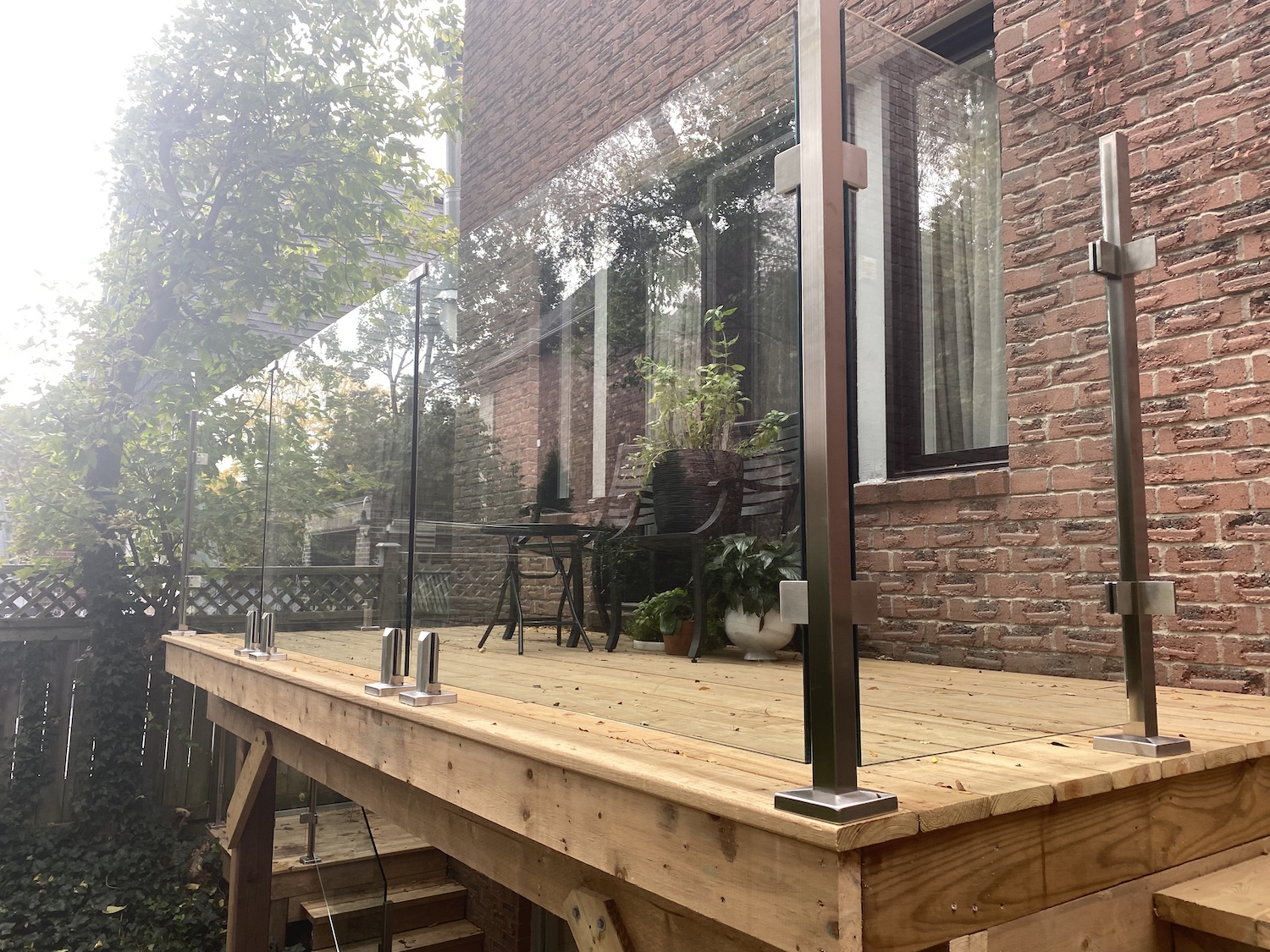
Cable railings have surged in popularity for Toronto decks, offering unobstructed views and contemporary aesthetics. Their minimalist design lets your view—and your deck—take center stage.
What Is Cable Railing?
Cable railing systems use horizontal stainless steel cables stretched between posts, creating a barrier that meets building codes while maintaining visibility. The result is a sleek, modern look that enhances rather than obstructs your view.
Cable Railing Styles
**Description**: Stainless steel or aluminum posts with cable infill
**Aesthetic**: Ultra-modern, industrial
**Durability**: Excellent (stainless steel resists corrosion)
**Cost**: $$-$$$
**Description**: Wooden posts (cedar, pressure-treated, composite) with cable infill
**Aesthetic**: Modern meets traditional
**Durability**: Good (depends on wood maintenance)
**Cost**: $-$$
**Description**: Posts mount on top of deck surface
**Installation**: Easier, less invasive
**Aesthetic**: Posts visible at deck level
**Cost**: Most economical installation
**Description**: Posts attach to outside of deck fascia
**Installation**: More complex, cleaner look
**Aesthetic**: Deck surface uninterrupted
**Cost**: Moderate installation complexity
**Description**: Cables run through drilled posts
**Installation**: Most labor-intensive
**Aesthetic**: Cleanest appearance
**Cost**: Premium
Components Explained
**Standard Size**: 1/8" diameter (3.2mm)
**Material**: 316 stainless steel (marine grade)
**Breaking Strength**: 1,800-2,000 lbs per cable
**Why 316 Stainless**: Resists corrosion, salt, Ontario winters
**Spacing**: Maximum 4 feet apart (code requirement)
**Material Options**:
Posts
**Types**:
End Fittings
**Purpose**: Allow cable tightening/adjustment
**Location**: One end of each cable run
**Types**: Turnbuckle, push-lock, thread-adjust
Ontario Building Code Requirements
Railing Height
Cable Spacing
Intermediate Posts
End Post Strength
Installation Considerations
**DIY Challenges**:
DIY vs Professional
**Professional Benefits**:
End posts handle tremendous tension—thousands of pounds when all cables are tight. They must be:
Structural Requirements
Cost Breakdown
Materials Only
Installed Cost Per Linear Foot
Cost Example: 50 Linear Feet
Maintenance
Regular Care
Cleaning
Common Issues
Pros and Cons
✓ Unobstructed views
✓ Modern, sophisticated appearance
✓ Low maintenance (stainless)
✓ Won't rot, warp, or crack
✓ Doesn't block airflow
✓ Durable in all weather
✗ Higher cost than aluminum pickets
✗ Periodic tension adjustment needed
✗ Can feel cold/industrial to some
✗ Inspection required for code compliance
✗ End posts need reinforcement
Design Considerations
When Cable Railings Work Best
When to Consider Alternatives
Cable Railing Brands
Professional Installation
Cable railings require precision and expertise for safety and aesthetics. Deck Master Inc. installs cable railing systems across the GTA, ensuring code compliance and proper tensioning.
Contact us for a free cable railing consultation.